Lost Dog? Here's What to Do in the First 24 Hours
Lost Dog? Here's What to Do in the First 24 Hours
Lost Dog? Here's What to Do in the First 24 Hours
P
By the Pawbase Team
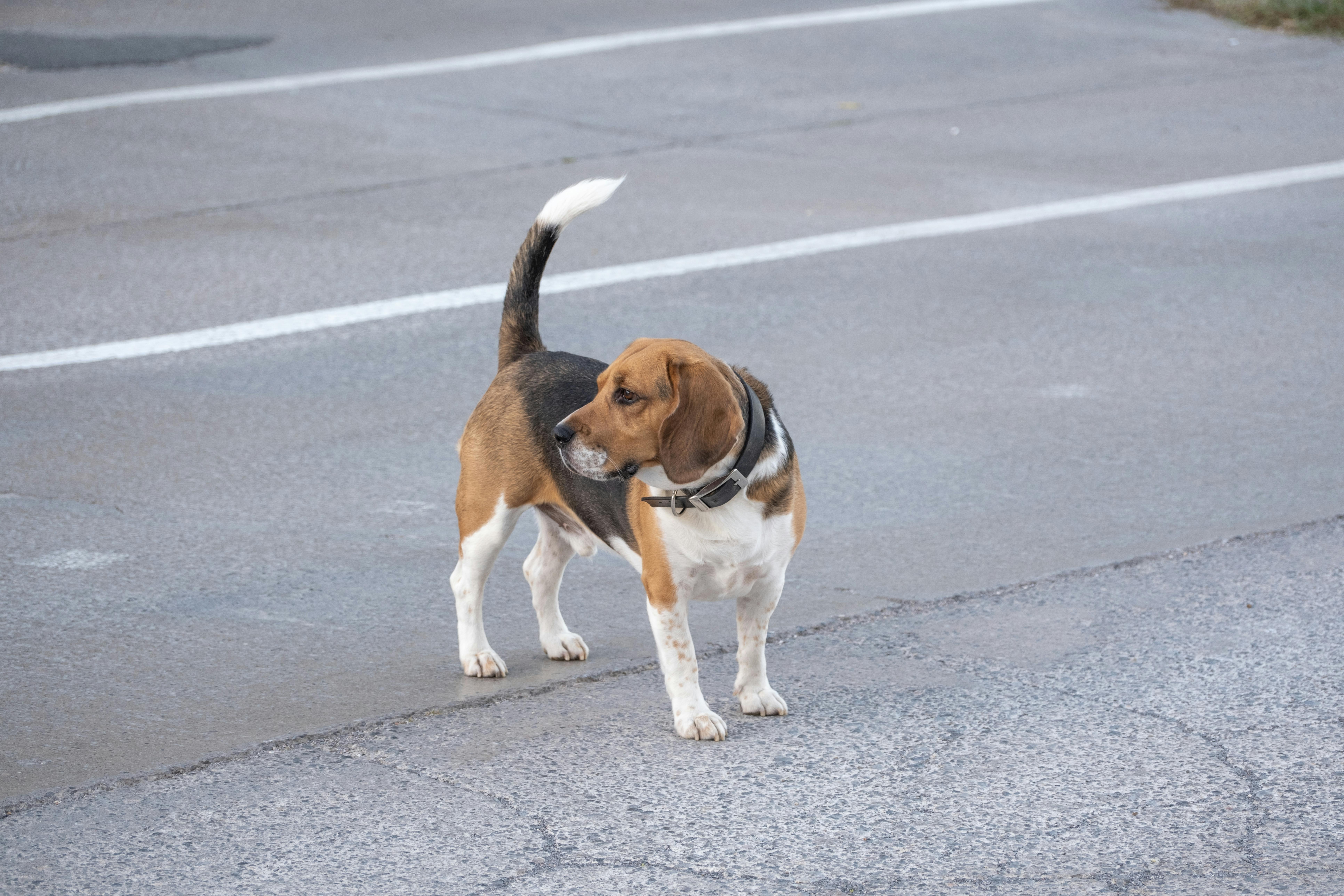
If your dog just got out, take a breath. The first 24 hours are the most important, and a clear plan beats panic every time. Most lost dogs are found within a mile of home, and the steps below are the ones that actually move the odds in your favor.
This guide walks through what to do right now, in order.
If you're looking for a missing cat instead, see our guide on what to do in the first 24 hours after losing a cat, since cats need a different approach.
1. Search the immediate area first
Most lost dogs don't go far in the first hour. They follow scent, get distracted, and often circle back. Before you do anything else, walk the streets around your home calling their name calmly. Bring treats, a familiar toy, or a worn piece of your clothing.
A few things to keep in mind:
Don't chase. A scared dog runs from anyone who runs at them, including you. If you spot them, sit down, lower your voice, and let them come to you.
Check hiding spots. Under porches, behind bushes, inside open garages or sheds. Frightened dogs hide more often than they run.
Leave a door open at home. Many dogs find their own way back if they can.
If you have a video doorbell, leave your dog's food, a familiar blanket, or a worn piece of your clothing in view of the camera. Keep motion alerts turned on. Dogs often return to the smell of home, and the doorbell will catch them when they do.
2. Confirm your microchip registration is current
This is the step most pet owners skip, and it's the one that determines whether someone can actually reach you when they find your dog.
A microchip is only useful if the contact information attached to it is current. If you've moved, changed your phone number, or never registered the chip in the first place, a shelter or vet scanning your dog won't be able to call you.
Take two minutes to:
Log into your microchip registry account
Confirm your phone number, email, and address are current
Add a backup contact if your registry allows it
Mark your pet as missing if your registry has that feature
Make sure you have an updated, clear photo of your dog ready to share
If you're not sure where your dog's chip is registered, search the chip number in the AAHA Universal Pet Microchip Lookup Tool. It's the same tool veterinarians and shelters use. If you're not sure what the AAHA is or how the lookup tool works, our article on the AAHA Universal Pet Microchip Lookup Tool walks through it.
Most found dogs are scanned at the first shelter or vet they're brought to, and a registered microchip is often the fastest way back to you.
If your dog isn't microchipped, focus on the next steps for now and address that once your dog is home safe.
If your dog is microchipped but the chip was never registered, register it right now. It only takes a few minutes, and once it's registered with current contact information, anyone who scans the chip can reach you. An unregistered chip is no better than no chip at all.
3. Call local shelters, vets, and animal control
Within the first few hours, call every animal shelter, veterinary clinic, and animal control office within a 10-mile radius. Found pets are usually brought to one of these three places. Give them:
Your dog's name, breed, color, and any distinctive markings
The microchip number, if you have it
Your phone number and a backup contact
Then call them again the next day. Shelters intake new animals constantly, and your dog may not be in the system yet when you first call.
4. Post on lost pet platforms and local groups
The faster you spread the word, the faster someone who's seen your dog can reach you. Post on:
Petco Love Lost (free, uses photo-matching technology)
PawBoost (alerts a local network of users)
Nextdoor (your immediate neighbors)
Local Facebook groups for lost pets in your city or county
Include a clear, recent photo. List the last known location, the time you noticed they were missing, and your phone number. Mention if your dog is wearing a collar with your contact information. Never post your dog's microchip number publicly. There has been an uptick in lost pet fraud, and a public microchip number gives scammers everything they need to claim they've found your pet.
A common fraud pattern looks like this: someone responds to your post saying they've found your dog, often with urgency or a sympathetic story, and asks for money up front for transport, vet bills, or a "finder's fee." Never send money in advance. A legitimate finder will not ask you to wire money before reuniting you with your pet.
Scammers have also started using AI-generated images to make it look like they have your dog when they don't. If someone sends a photo as proof, ask for a live video call or a recent photo holding up a specific object you describe. A real finder can do this in seconds. A scammer cannot.
Hold off on offering a reward in your post. If you choose to offer one, only mention the amount once you've verified the finder actually has your dog, and only hand it over when your dog is physically back with you.
5. Make and post simple flyers
Digital posts reach a lot of people, but physical flyers reach the people actually walking the streets where your dog might be. Keep the flyer simple and easy to read from a moving car:
The words LOST DOG in large, bold letters
One clear photo
Your dog's name, breed, and color with any distinctive markings
The neighborhood where they went missing or last known location
Your phone number
Post flyers at busy intersections, parks, vet offices, and pet stores within a one to two mile radius.
6. Stay reachable
Keep your phone charged and answer unknown numbers. People who find pets often call from their own phone, and most don't leave voicemails.
If you have a partner or family member, designate one person to stay home in case your dog returns on their own.
Why microchip registration is the single most important factor
Your pet's microchip is the only permanent form of ID they have. Collars come off. Tags wear out. Phone numbers on tags get smudged or out of date. The chip under your dog's skin is the one piece of identification that's still working when everything else fails.
Studies show that microchipped dogs are returned to their owners at more than twice the rate of dogs without chips. For cats, the difference is even more dramatic. But the chip only works if the registry record is current and accurate.
This is why the second step in this guide matters so much. A scanned microchip with an outdated phone number is the most common reason reunions break down. If your dog comes home and you realize the registration was out of date or never completed, take a moment to fix it.
Keep going
Most lost dogs are found, often days or even weeks after they go missing. There are countless stories of pets reunited with their families long after the search felt hopeless, and almost every one of them comes back to the same thing: the microchip was registered, and the contact information was current.
Follow the steps above. Stay consistent. Keep the flyers up. Keep checking the shelters. Keep your phone on. Don't give up.
Your dog is looking for you too.
If your dog just got out, take a breath. The first 24 hours are the most important, and a clear plan beats panic every time. Most lost dogs are found within a mile of home, and the steps below are the ones that actually move the odds in your favor.
This guide walks through what to do right now, in order.
If you're looking for a missing cat instead, see our guide on what to do in the first 24 hours after losing a cat, since cats need a different approach.
1. Search the immediate area first
Most lost dogs don't go far in the first hour. They follow scent, get distracted, and often circle back. Before you do anything else, walk the streets around your home calling their name calmly. Bring treats, a familiar toy, or a worn piece of your clothing.
A few things to keep in mind:
Don't chase. A scared dog runs from anyone who runs at them, including you. If you spot them, sit down, lower your voice, and let them come to you.
Check hiding spots. Under porches, behind bushes, inside open garages or sheds. Frightened dogs hide more often than they run.
Leave a door open at home. Many dogs find their own way back if they can.
If you have a video doorbell, leave your dog's food, a familiar blanket, or a worn piece of your clothing in view of the camera. Keep motion alerts turned on. Dogs often return to the smell of home, and the doorbell will catch them when they do.
2. Confirm your microchip registration is current
This is the step most pet owners skip, and it's the one that determines whether someone can actually reach you when they find your dog.
A microchip is only useful if the contact information attached to it is current. If you've moved, changed your phone number, or never registered the chip in the first place, a shelter or vet scanning your dog won't be able to call you.
Take two minutes to:
Log into your microchip registry account
Confirm your phone number, email, and address are current
Add a backup contact if your registry allows it
Mark your pet as missing if your registry has that feature
Make sure you have an updated, clear photo of your dog ready to share
If you're not sure where your dog's chip is registered, search the chip number in the AAHA Universal Pet Microchip Lookup Tool. It's the same tool veterinarians and shelters use. If you're not sure what the AAHA is or how the lookup tool works, our article on the AAHA Universal Pet Microchip Lookup Tool walks through it.
Most found dogs are scanned at the first shelter or vet they're brought to, and a registered microchip is often the fastest way back to you.
If your dog isn't microchipped, focus on the next steps for now and address that once your dog is home safe.
If your dog is microchipped but the chip was never registered, register it right now. It only takes a few minutes, and once it's registered with current contact information, anyone who scans the chip can reach you. An unregistered chip is no better than no chip at all.
3. Call local shelters, vets, and animal control
Within the first few hours, call every animal shelter, veterinary clinic, and animal control office within a 10-mile radius. Found pets are usually brought to one of these three places. Give them:
Your dog's name, breed, color, and any distinctive markings
The microchip number, if you have it
Your phone number and a backup contact
Then call them again the next day. Shelters intake new animals constantly, and your dog may not be in the system yet when you first call.
4. Post on lost pet platforms and local groups
The faster you spread the word, the faster someone who's seen your dog can reach you. Post on:
Petco Love Lost (free, uses photo-matching technology)
PawBoost (alerts a local network of users)
Nextdoor (your immediate neighbors)
Local Facebook groups for lost pets in your city or county
Include a clear, recent photo. List the last known location, the time you noticed they were missing, and your phone number. Mention if your dog is wearing a collar with your contact information. Never post your dog's microchip number publicly. There has been an uptick in lost pet fraud, and a public microchip number gives scammers everything they need to claim they've found your pet.
A common fraud pattern looks like this: someone responds to your post saying they've found your dog, often with urgency or a sympathetic story, and asks for money up front for transport, vet bills, or a "finder's fee." Never send money in advance. A legitimate finder will not ask you to wire money before reuniting you with your pet.
Scammers have also started using AI-generated images to make it look like they have your dog when they don't. If someone sends a photo as proof, ask for a live video call or a recent photo holding up a specific object you describe. A real finder can do this in seconds. A scammer cannot.
Hold off on offering a reward in your post. If you choose to offer one, only mention the amount once you've verified the finder actually has your dog, and only hand it over when your dog is physically back with you.
5. Make and post simple flyers
Digital posts reach a lot of people, but physical flyers reach the people actually walking the streets where your dog might be. Keep the flyer simple and easy to read from a moving car:
The words LOST DOG in large, bold letters
One clear photo
Your dog's name, breed, and color with any distinctive markings
The neighborhood where they went missing or last known location
Your phone number
Post flyers at busy intersections, parks, vet offices, and pet stores within a one to two mile radius.
6. Stay reachable
Keep your phone charged and answer unknown numbers. People who find pets often call from their own phone, and most don't leave voicemails.
If you have a partner or family member, designate one person to stay home in case your dog returns on their own.
Why microchip registration is the single most important factor
Your pet's microchip is the only permanent form of ID they have. Collars come off. Tags wear out. Phone numbers on tags get smudged or out of date. The chip under your dog's skin is the one piece of identification that's still working when everything else fails.
Studies show that microchipped dogs are returned to their owners at more than twice the rate of dogs without chips. For cats, the difference is even more dramatic. But the chip only works if the registry record is current and accurate.
This is why the second step in this guide matters so much. A scanned microchip with an outdated phone number is the most common reason reunions break down. If your dog comes home and you realize the registration was out of date or never completed, take a moment to fix it.
Keep going
Most lost dogs are found, often days or even weeks after they go missing. There are countless stories of pets reunited with their families long after the search felt hopeless, and almost every one of them comes back to the same thing: the microchip was registered, and the contact information was current.
Follow the steps above. Stay consistent. Keep the flyers up. Keep checking the shelters. Keep your phone on. Don't give up.
Your dog is looking for you too.